



Products
‹
›
‹
›
Description:
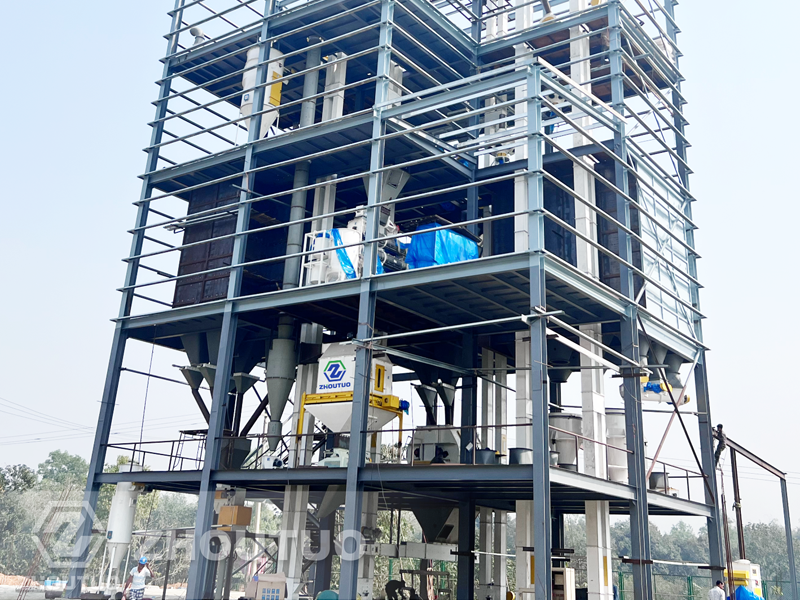
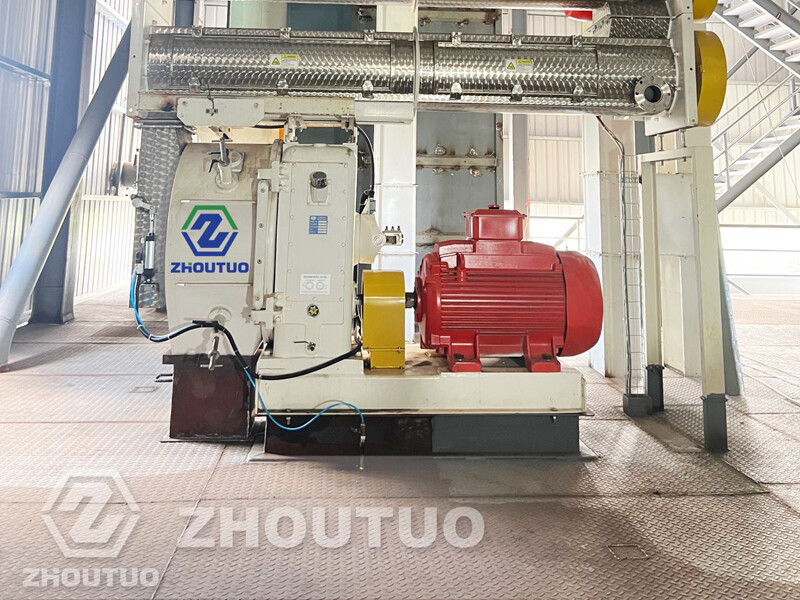
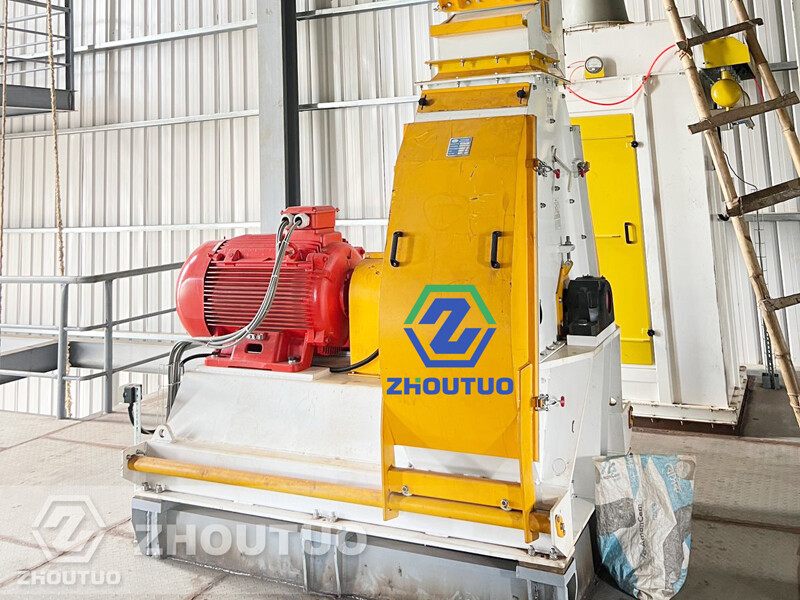
As a core bait for bottom-dwelling fish (such as crucian carp, carp, black carp, and catfish) and some benthic fish, sinking fish feed plays a crucial role in aquaculture due to its rapid sinking, adaptability to bottom-feeding habits, and reduced surface waste. Its production process differs from floating fish feed in that it eliminates the need for porous pellets. Through precise control of equipment parameters, it produces pellets with a density greater than 1g/cm³ (typically 1.05-1.2g/cm³), a water stability of ≥8 hours, and a nutritionally balanced diet. The entire process encompasses five core steps: raw material pretreatment, mixing and conditioning, pelletizing, drying and cooling, and post-processing. Equipment selection and parameter settings are centered around increasing density and ensuring pellet strength, directly impacting the feed's sinking performance and suitability for aquaculture.
Technical Features:
◎ The core objective of sinking fish feed equipment is to produce pellets with high density, high strength, and low collapse, meeting the feeding needs of bottom-dwelling fish. Specific technical specifications include: density of 1.05-1.2 g/cm³ (ensuring complete sinking within 30 seconds), in-water stability for ≥8 hours (to avoid water contamination), and pellet hardness of 2.0-3.0 kgf (suitable for the chewing habits of bottom-dwelling fish). Compared to floating fish feed processes, this technology offers significant advantages:
◎No high-temperature, high-pressure puffing step: No need for extrusion and vaporization to create a porous structure, allowing for lower pelleting temperatures (typically ≤95°C), minimizing the loss of heat-sensitive nutrients.
◎Precise density control: By adjusting the raw material ratio (increasing the proportion of minerals and high-protein ingredients) and pelleting pressure, consistent pellet density is maintained.
◎ Strength-focused molding: The equipment design focuses on improving pellet compactness to prevent pellet collapse before bottom-dwelling fish ingest it.
PRODUCT
Online Consultation
In order to provide you the suitable machine , pls offer below message for us
》What kind of feed would you like produce?
》What’s the production capacity?
》Do you have special process requirements, if yes, pls list.
Related Products

First class quality service and professional after-sales team.
In order to provide you the suitable solution , pls offer below message for us
》1. What kind of feed would you like produce? poultry? livestock? fish?
》2. What's the production capacity per hour?
》3. Where is the project location?
》4. What's the power? 380V 50HZ?
》5. If you have special requirements, pls list in advance.
Get in Touch
*We respect your confidentiality and all information are protected.