



Products
‹
›
‹
›
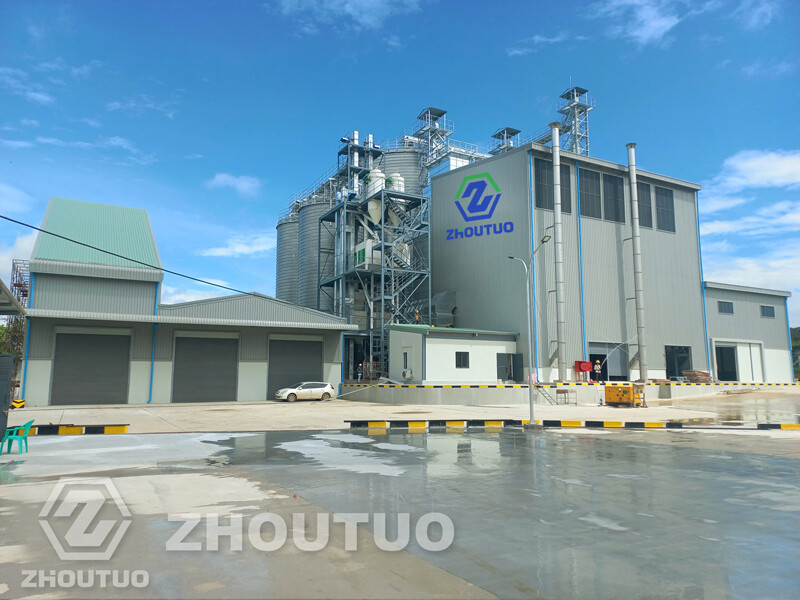
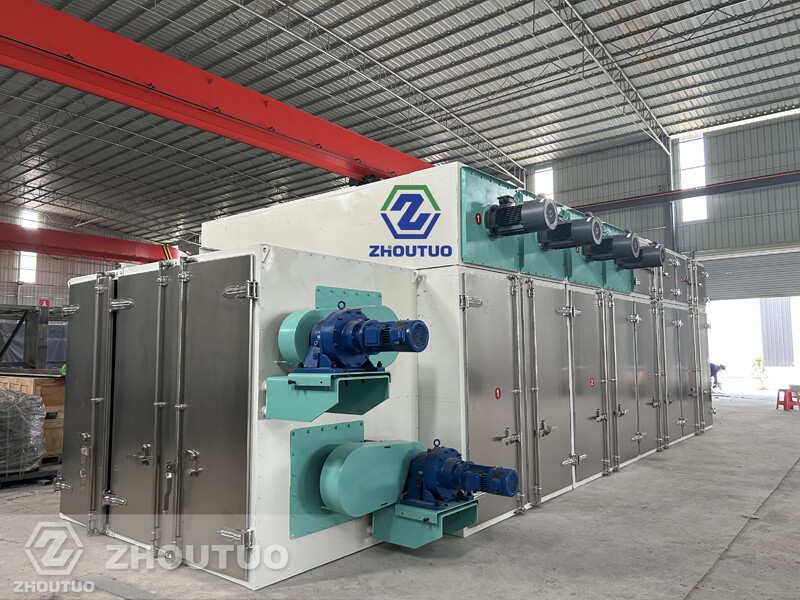
Shrimp (especially Penaeus vannamei and Penaeus monodon), as aquatic crustaceans, have unique physiological characteristics, including small mouthparts, slow feeding, high feed stability requirements, and the need to molt for nutrients (such as calcium, phosphorus, and chitin). These characteristics dictate that shrimp feeds must possess three core characteristics: microgranulation, high stability, and high nutrient density. The production process and equipment are centered around precision granulation, enhanced in-water stability, and protection of heat-sensitive nutrients. These processes encompass five core steps: ultrafine grinding of raw materials, precise mixing, specialized granulation, low-temperature drying, and coating. Equipment selection and parameter control directly impact feed palatability, digestibility, and aquaculture survival rates.
Technical Features:
The core objective of shrimp feed processing equipment is to produce specialized pellets suitable for shrimp growth. Key technical indicators include: pellet diameter of 0.2-3.0mm (covering shrimp fry to adult stages), water stability for ≥12 hours (to avoid loss and contamination of water quality), crude protein content of 35%-45% (to meet high-protein needs), and starch gelatinization degree ≥90% (to improve digestibility). Compared to fish feed processing, its technical features are significant:
◎ Ultrafine grinding requires high standards: Shrimp have a weak digestive capacity, so raw materials must be ground to 100-200 mesh (much finer than the 80-120 mesh used in fish feed) to ensure uniform and easily digestible particles.
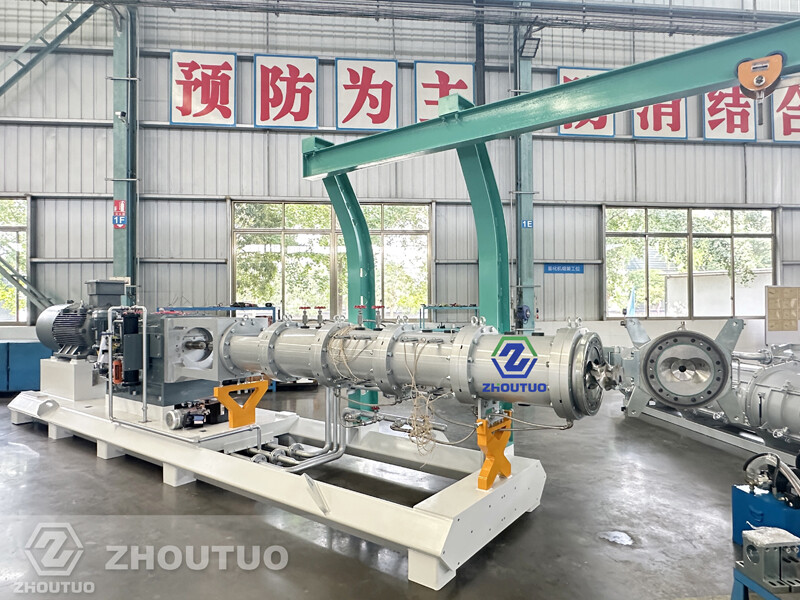
◎ Specialized pelleting process: Utilizing "twin-screw extrusion + pelletizing" or "extrusion embryo production + secondary pelleting" technology, microgranules or slow-sinking granules are produced, suited to the slow feeding habits of shrimp.
◎ Enhanced stability treatment: Coating (such as chitin or gelatin coating) enhances stability in water and prevents nutrient loss.
◎ Primarily low-temperature processing: The temperature is controlled at ≤95°C throughout the entire process to maximize the preservation of heat-sensitive nutrients essential to shrimp (such as astaxanthin, probiotics, and unsaturated fatty acids).
PRODUCT
Online Consultation
In order to provide you the suitable machine , pls offer below message for us
》What kind of feed would you like produce?
》What’s the production capacity?
》Do you have special process requirements, if yes, pls list.
Related Products

First class quality service and professional after-sales team.
In order to provide you the suitable solution , pls offer below message for us
》1. What kind of feed would you like produce? poultry? livestock? fish?
》2. What's the production capacity per hour?
》3. Where is the project location?
》4. What's the power? 380V 50HZ?
》5. If you have special requirements, pls list in advance.
Get in Touch
*We respect your confidentiality and all information are protected.